
Strategies Against Resistance to Smart Drugs: Daraxonrasib, Liquid Biopsy and Personalized Treatment

1. Introduction: Next-Generation Approaches in Targeted Therapies
One of the most exciting developments in oncology in recent years is molecules that directly target RAS mutations, key growth signals in cancer cells. One of the most current examples in this field is Daraxonrasib, a new-generation smart molecule targeting mutated and wild-type N, H, and KRAS proteins in tumors.
Important Clinical Note
Since Daraxonrasib is not yet licensed in Turkey, its use in our country is currently not possible. However, the data provided by scientific research on this molecule offers a valuable clinical guide on how we should manage our existing targeted therapies.
2. Cancer's Code Changes During Treatment: The Power of Liquid Biopsy
In targeted smart drug therapy, one of the most critical processes is that a tumor responding very well initially can develop resistance over time by altering its genetic structure. In a recent study published in the prestigious journal Nature Medicine, the resistance processes of patients receiving Daraxonrasib treatment were analyzed using Liquid Biopsy (blood ctDNA analysis).
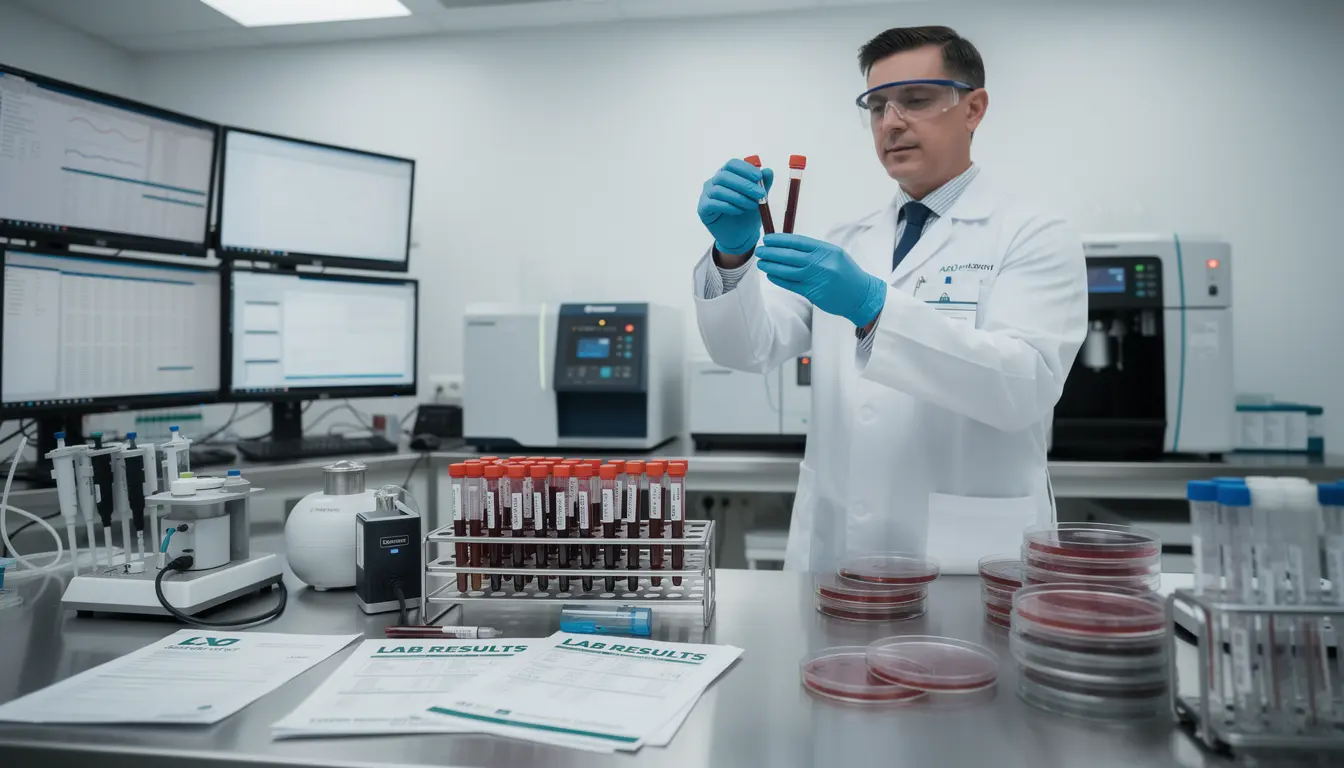
The core scientific data obtained from this study includes:
- New resistance mechanisms developed in the tumor's genetic pathways during treatment in 59% of patients.
- The most common resistance mechanism was the tumor amplifying the KRAS gene and activating alternative signaling pathways (RTK, MAPK, PI3K).
- All these cellular changes were detected solely through Liquid Biopsy (ctDNA) monitoring from blood, without requiring repeated invasive tissue biopsies.
3. Our Clinic's Experience: Approved Smart Drugs and Resistance Tracking with MRD in Turkey
In our clinic, we actively and skillfully administer all smart drugs and targeted therapies licensed and available in Turkey. We possess extensive clinical experience and numerous scientific articles published in international literature regarding resistance development and its molecular tracking in cancer treatment.
We monitor resistance development in our patients under treatment through these precise steps:
- Monitoring with MRD (Molecular Residual Disease): We routinely follow up patients receiving smart drugs or immunotherapy via MRD blood tests.
- Molecular Capture Before Imaging: A positive MRD test informs us of molecular activity in the blood months before tumor growth appears on standard imaging methods like MRI or PET/CT.
- Mapping the Resistance Mutation: The moment we obtain MRD positivity, we utilize Liquid Biopsy (ctDNA) or tissue biopsy analyses when necessary to map the specific resistance mutation developed by the tumor.
4. "Personalized Combination" Strategy to Overcome Resistance
As highlighted in the Nature Medicine study, a single drug may become insufficient over time in targeted therapies, requiring rational combination therapies against tumor resistance pathways.

After pinpointing the tumor's active resistance mutation via Liquid Biopsy:
- We analyze the molecular data in detail within our Molecular Tumor Board (MTB).
- We design a personalized combination therapy selected from licensed and accessible targeted smart drugs or immunotherapies in our country to block the identified resistance pathway.
Conclusion
While research on new molecules like Daraxonrasib sheds light on the future of oncology, the key to clinical success lies in managing existing therapies with the right strategy: starting treatment with Comprehensive Genomic Profiling, detecting resistance mutations in blood via MRD and Liquid Biopsy before they appear on scans, and applying the right treatments based on Molecular Board decisions.
In our clinic, we continue to offer our patients the most up-to-date and safe personalized treatment processes based on this dynamic and scientific approach.
To track resistance development in your treatment at a molecular level and get information about personalized combination strategies, you can contact our clinic.
References and Further Reading
- Daraxonrasib and Resistance Mechanisms Study: Aronchik, I., Kar, S., et al. (2026). Acquired resistance to the RAS(ON) multi-selective inhibitor daraxonrasib guides rational combination therapy strategies in pancreatic cancer. Nature Medicine, 32, 2865-2877.
- Clinical Trial Information: Phase 1/2 Daraxonrasib Clinical Trial (NCT05379985) & Phase 3 RASolute 302 Trial.