
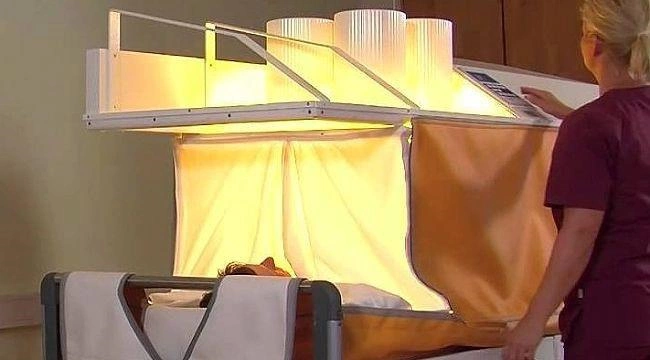
What is hyperthermia in cancer treatment, and what is it not?
The term means treatment with heat. In this technique, the whole body or only a part of it (regions such as the abdomen, chest or skin) is heated up to 40–42 degrees using high-tech, specialized devices. The main goal of hyperthermia treatment is to weaken the resistance of the cancer tissue, because the rise in temperature reduces the cancer's resistance to chemotherapy and radiotherapy. For this reason, the chance of success against cancer can increase by 3 to 5 times.
Does hyperthermia harm normal cells?
All research conducted has shown that healthy cells do not respond negatively to cancer treatment with hyperthermia. The safety of hyperthermia is assured by FDA-certified radiofrequency waves. Hyperthermia has been widely used since the 1970s in countries such as the United States, Japan and Germany.
Is it possible to focus on the cancer tissue in hyperthermia cancer treatment?
The most significant advantage of the hyperthermia method in cancer treatment is the ability to focus on the target—that is, the region where the cancer is located. In short, to make a precise, pinpoint strike. The heat delivered by the hyperthermia method, by focusing on the region where the cancer is located, disrupts the membrane of the cancer cell, causes lactic acid to accumulate inside it, and breaks the DNA strands in its nucleus. As a result, the cancer cell cannot build resistance and renew itself.
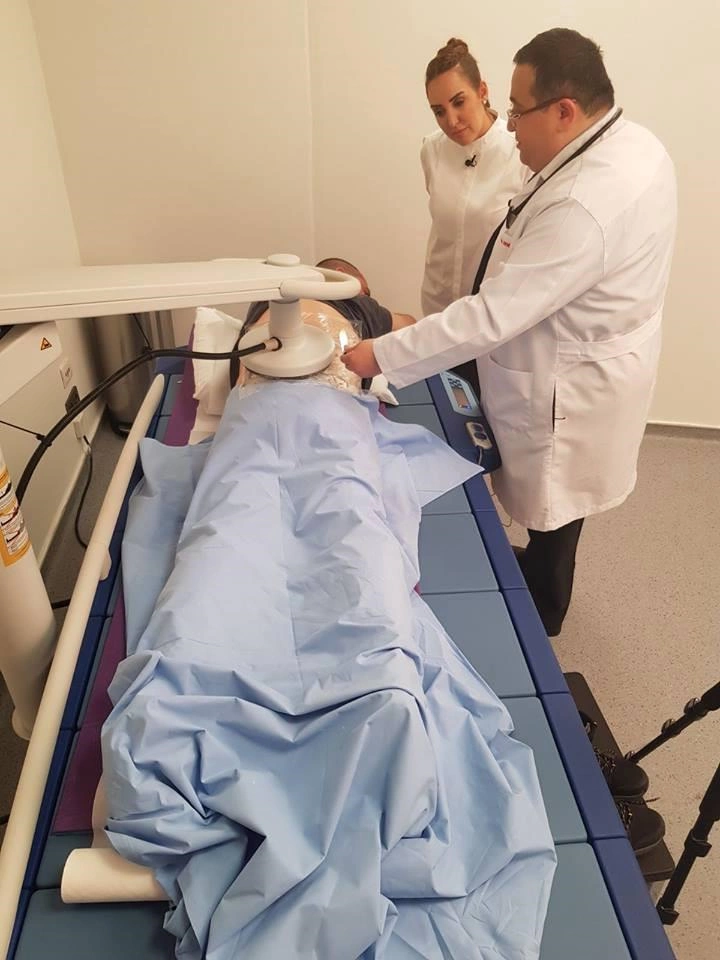
Does hyperthermia strengthen the immune system against cancer?
It has been proven by scientific research that hyperthermia—regarded as the fourth pillar of cancer treatment—triggers natural immunity. Lymphocytes, which are part of the natural defense, begin a defense against cancer cells as the immune system is revitalized. Thus, while cancer cells are destroyed, the immune system and its cells increase.
Is hyperthermia effective on its own in cancer treatment?
It is used in combination with surgery, chemotherapy and radiotherapy, the fundamental principles of classical cancer treatment. For this reason, hyperthermia is regarded as the 4th pillar of cancer treatment. Thanks to the rise in temperature, hyperthermia increases the effectiveness of chemotherapy and radiotherapy in cancerous tissue by 3–5 times.
In which types of cancer is hyperthermia treatment more effective?
Hyperthermia, which boosts the body's immunity, is effective in almost all types of cancer and provides noticeable results. For example, in some cancer types located in deep tissues that follow an extremely aggressive course—lung cancer, breast cancer, colon cancer, prostate cancer, stomach cancer, pancreatic cancer and bladder cancer—the increase in survival rates is striking. Hyperthermia has the technology to focus on cancer types located in deep tissues and to heat the cancer tissue regionally. Thus the effectiveness of chemotherapy and radiotherapy increases, and the immune system and natural defenses gain strength against cancer.
For whom is hyperthermia a source of hope?
For patients who, despite all the treatments and procedures performed for cancer, are said to have 3–5 months left to live, hyperthermia is a serious source of hope. Especially in Germany and the United States, the survival of patients who were told to "go home" has been extended by 2–3 years. There are cases regarded as concrete successes. The goal is to extend life and survival time up to 12 years.
When are the results of hyperthermia in cancer treatment noticed?
In cancer treatment with hyperthermia, positive results begin to show their first effects after 3 sessions. A reduction in pain and an increase in appetite are the first concrete results. It has also been observed that after 7–8 sessions the cancer mass begins to shrink.
In what other conditions besides cancer can hyperthermia be used?
- Allergic conditions
- Rheumatoid arthritis
- Autoimmune diseases (Lupus, Multiple Sclerosis, etc.)
- Cellulite
- Chronic fatigue
- Irritability
- Obesity
- Osteoarthritis
- Gastrointestinal disorders
- Weak immune system
- Infertility