A New Approach in Ewing Sarcoma Treatment: High-Dose Vitamin C and Smart Drugs Join Forces
Combining high-dose vitamin C with "smart drugs" that block DNA repair (PARP inhibitors) is emerging as a promising treatment strategy for Ewing sarcoma, a rare bone/soft-tissue cancer seen mainly in children and young adults.
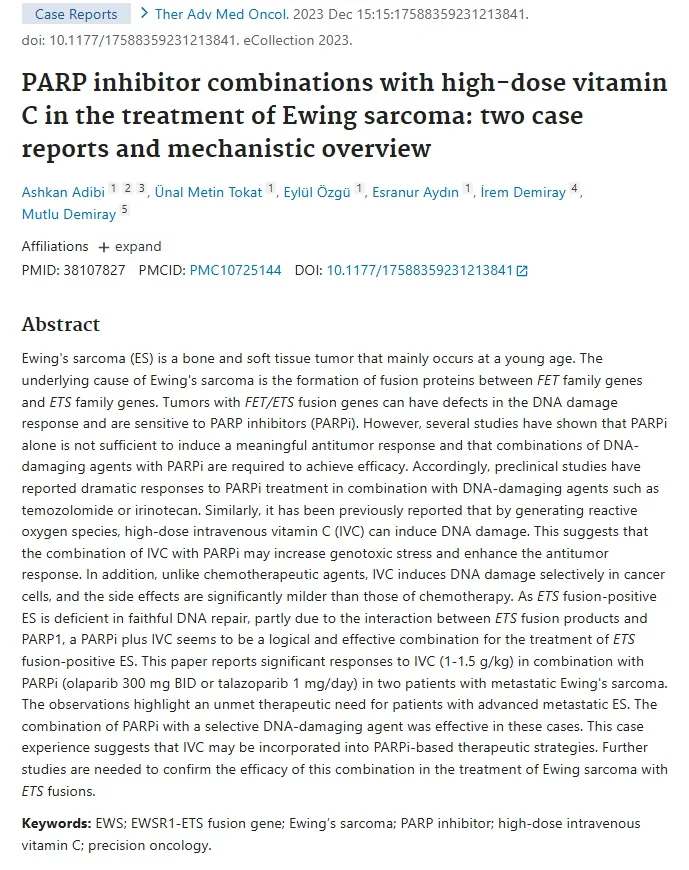
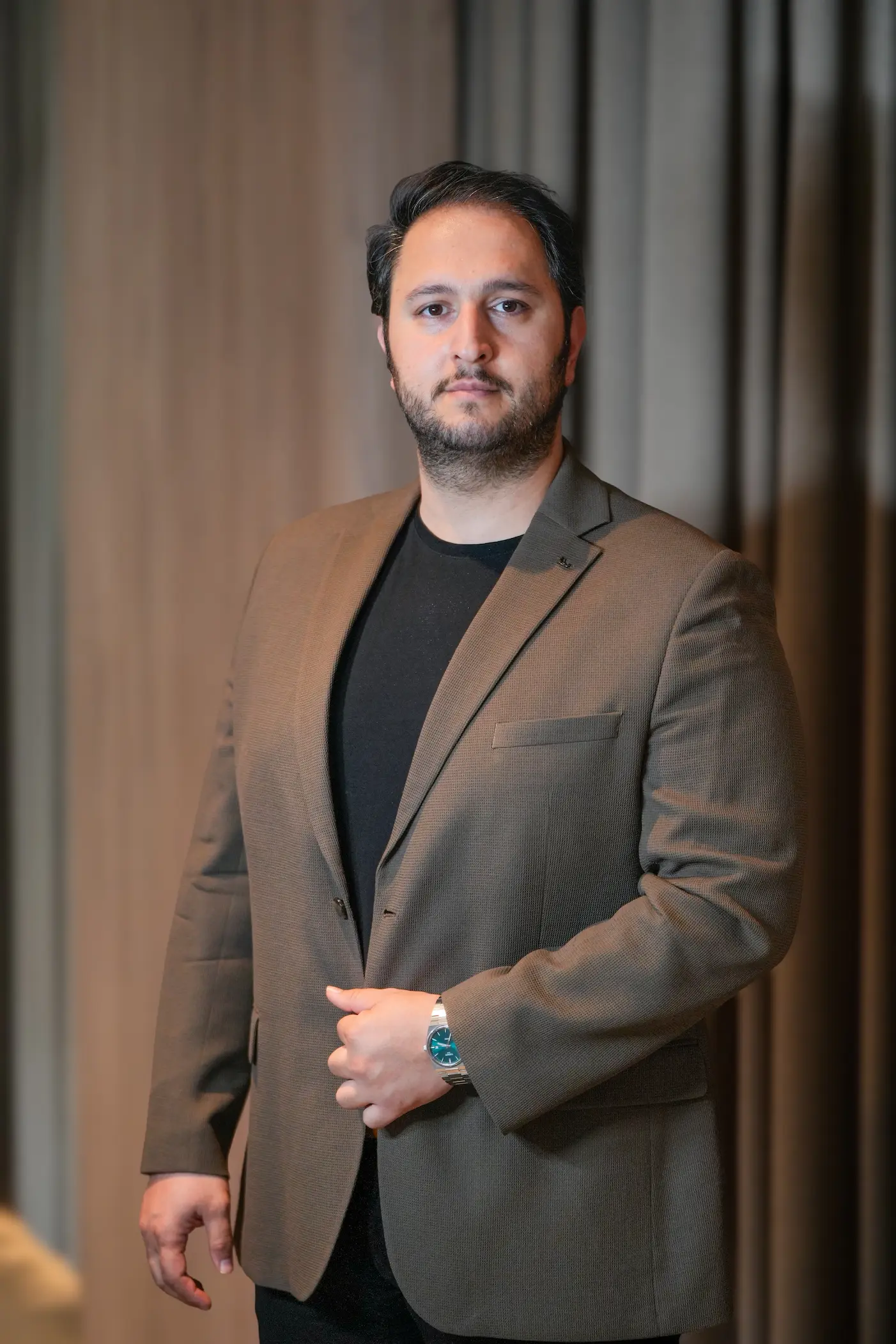
December 15, 2023 — This case report, prepared and published by Prof. Dr. Mutlu Demiray and team, appeared in an internationally peer-reviewed medical journal, demonstrating the success of a "two-pronged attack" strategy against cancer cells through two patients.
Stage 1: Inflicting Damage with Vitamin C
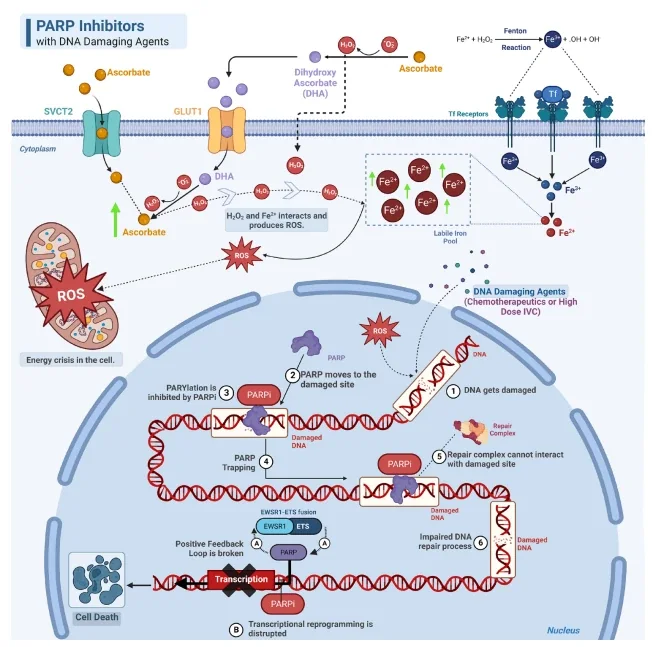
We usually know vitamin C as a harmless vitamin that boosts our immune system. However, when given intravenously at very high doses, it behaves like a "Trojan horse" for cancer cells. High-dose vitamin C accumulates inside cancer cells and deliberately damages their DNA (the cell's control center). While healthy cells can easily cope with this, cancer cells are seriously affected by the damage.
Stage 2: Blocking the Repair with PARP Inhibitors
Normally, when a cancer cell's DNA is damaged, it calls in a special enzyme called "PARP" (a kind of repairman) to fix the damage and keep surviving. This is where the treatment's second and most critical weapon comes into play: PARP inhibitors. These "smart drugs" block the cancer cell's repair mechanism — in other words, they stop the repairman from doing its job.
The Deadly Combination (A Flawless Trap)
When these two methods are combined, the cancer cell has no way out:
- High-dose vitamin C damages the cancer cell's DNA.
- The PARP inhibitor prevents the cancer cell from repairing this damage.
- Unable to repair its DNA, the cancer cell is left with severe damage and ultimately destroys itself (a process known in medicine as apoptosis).
What Does the Study Tell Us?
The two real patient cases presented in the article show that this strategy can work in Ewing sarcoma patients who are struggling to respond to standard treatments. This innovative combination helped shrink tumors or halt disease progression, opening a new window of hope for patients.
An Important Note: While this article presents a very promising "proof of concept," it's important to remember that high-dose vitamin C is not the same as vitamin pills taken at home. This treatment is a precise process administered intravenously in a hospital setting, under the supervision of oncology specialists.
With further large-scale research, this approach is expected to become a standard source of hope for more patients in the future.
Publication Link: https://pubmed.ncbi.nlm.nih.gov/38107827/
Images from the Publication