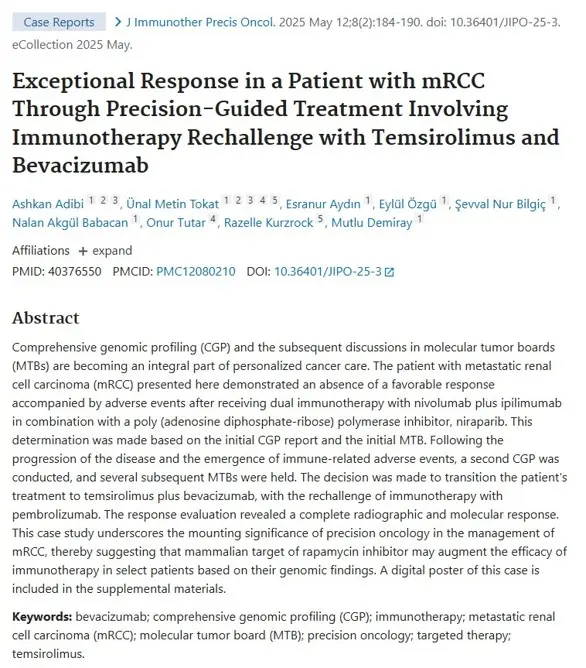
Exceptional Improvement in Advanced Kidney Cancer with Genomic Profiling and a Smart Drug Combination (Immunotherapy + Temsirolimus + Bevacizumab)

In a patient with advanced kidney cancer, an exceptional response was achieved through a precision-guided smart-drug treatment based on the patient's personal genetic map (a combination of Immunotherapy, Temsirolimus and Bevacizumab).
12 May 2025 — This case study, prepared and published by Prof. Dr. Mutlu Demiray and his team, appeared in an international peer-reviewed medical journal as a striking example of the power of precision oncology.
What Is It About?
This study tells how — at a point where medicine might say "there is nothing left to do" — a refusal to give up combined with pinpoint, targeted treatment led to a major success:
- mRCC (Metastatic Renal Cell Carcinoma): An advanced, hard-to-treat type of kidney cancer that starts in the kidney and has spread to other organs of the body.
- Precision-Guided Treatment: Instead of prescribing drugs by rote, the physicians take a sample from the patient's tumor and decode its genetic map. This reveals exactly which weak point of the cancer can be targeted.
- Immunotherapy Rechallenge: Strategically reintroducing the drugs that provoke the body's own defense system against cancer — even if they were tried before — as part of a smart treatment plan.
- Temsirolimus and Bevacizumab: Smart drugs that block the growth and the nourishment (blood-vessel supply) of the cancer. In this study, guided by the patient's genetic map, these two drugs were combined together with immunotherapy.
- Exceptional Response: When tumors shrink — or disappear completely — far faster, more markedly and more durably than expected.
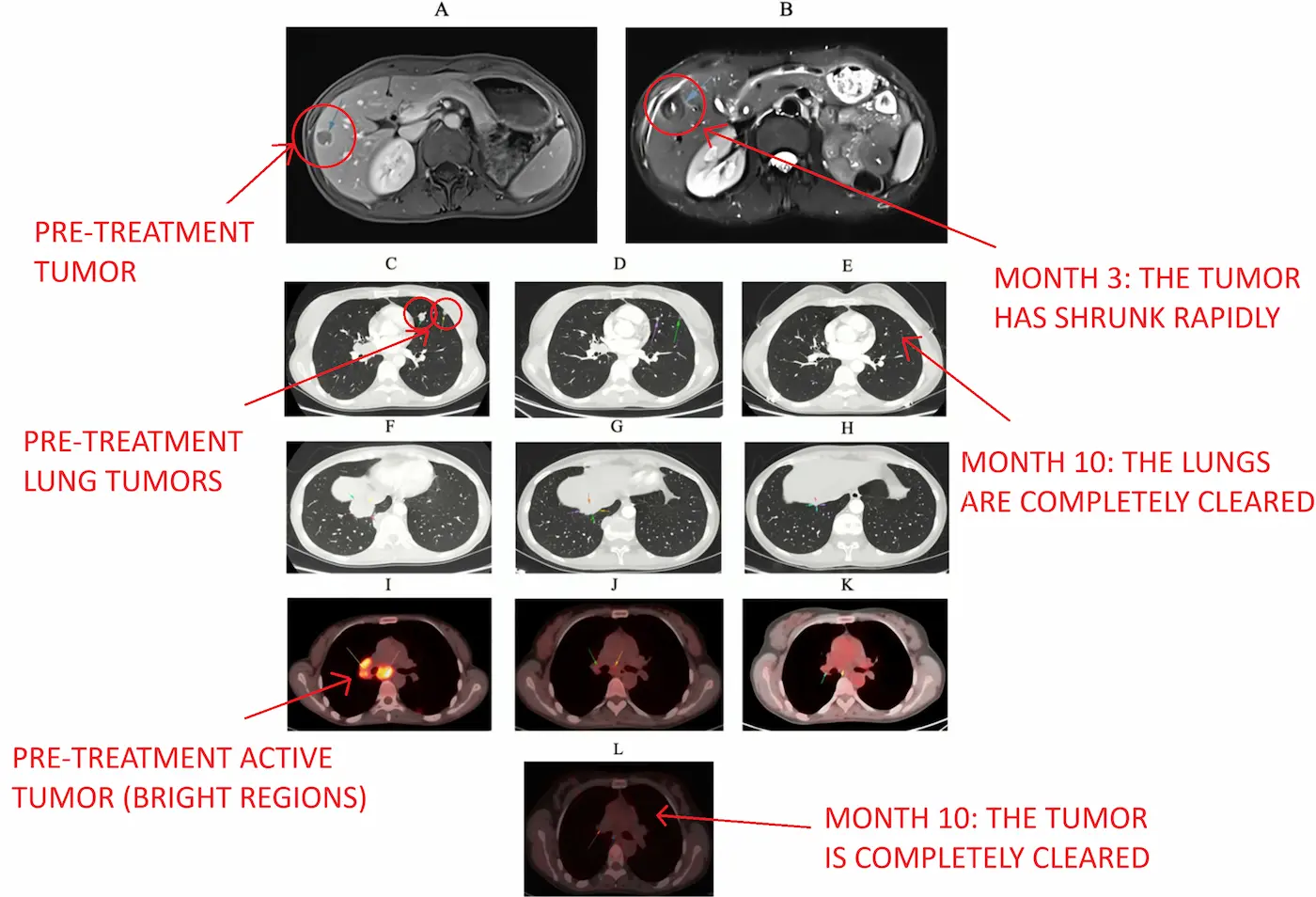
In short, the genetic code of a kidney cancer patient who did not respond to standard treatments was decoded, the cancer was cornered with the right drug combination, and a remarkable, paradigm-shifting recovery was observed.
Publication Link: https://pubmed.ncbi.nlm.nih.gov/40376550/
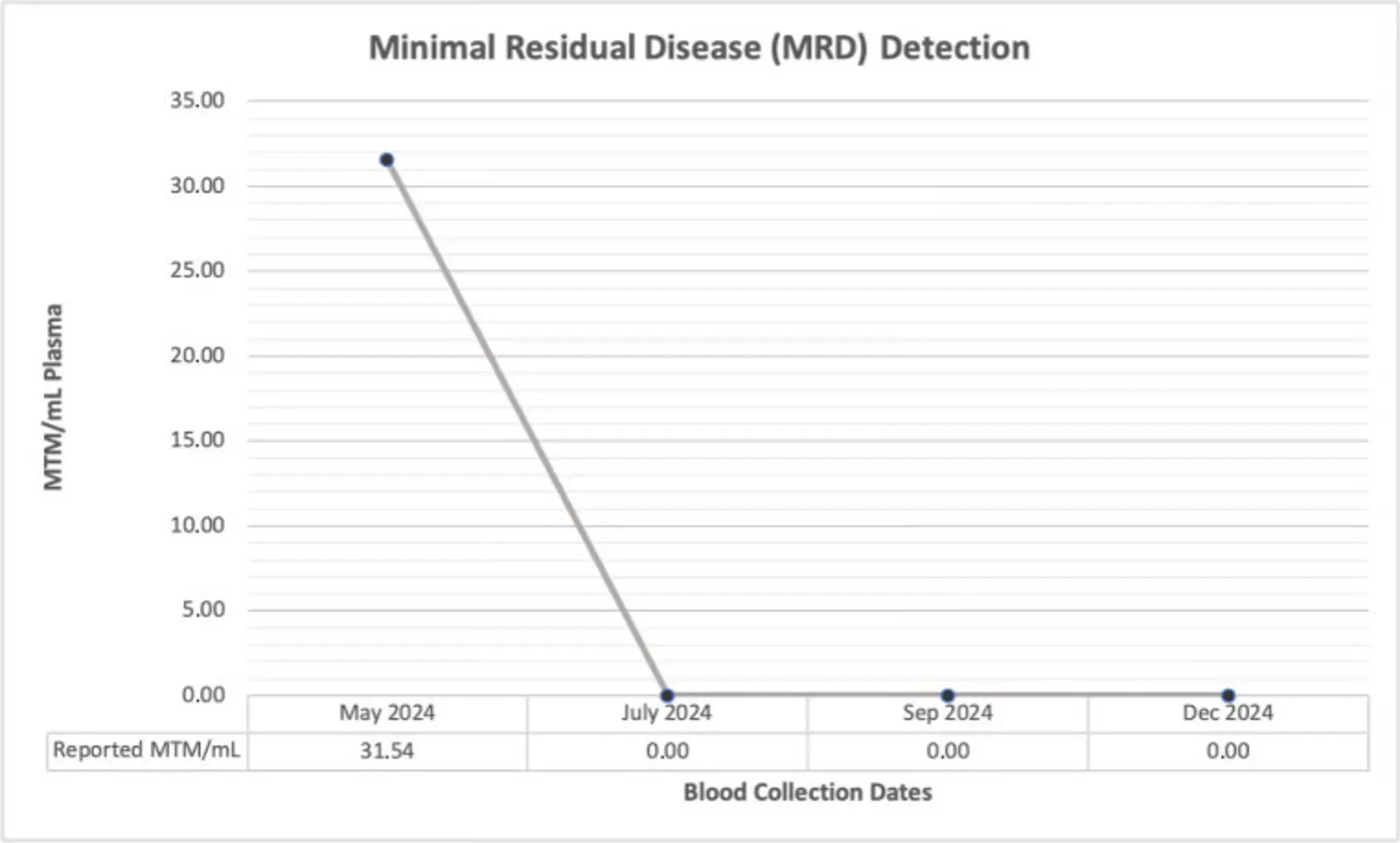
Images from the Publication