Two Patients, Same Diagnosis, Different Outcomes: Personalized Cancer Treatment with the Molecular Tumor Board
Two Patients, the Same Diagnosis, Different Outcomes.. Every tumor has a different journey.
How do we chart a route unique to your disease with the Molecular Tumor Board and personalized cancer treatment?
Imagine two patients with the same cancer type and the same stage. Even though both receive the same standard treatment, why does one respond rapidly while the disease keeps progressing in the other?
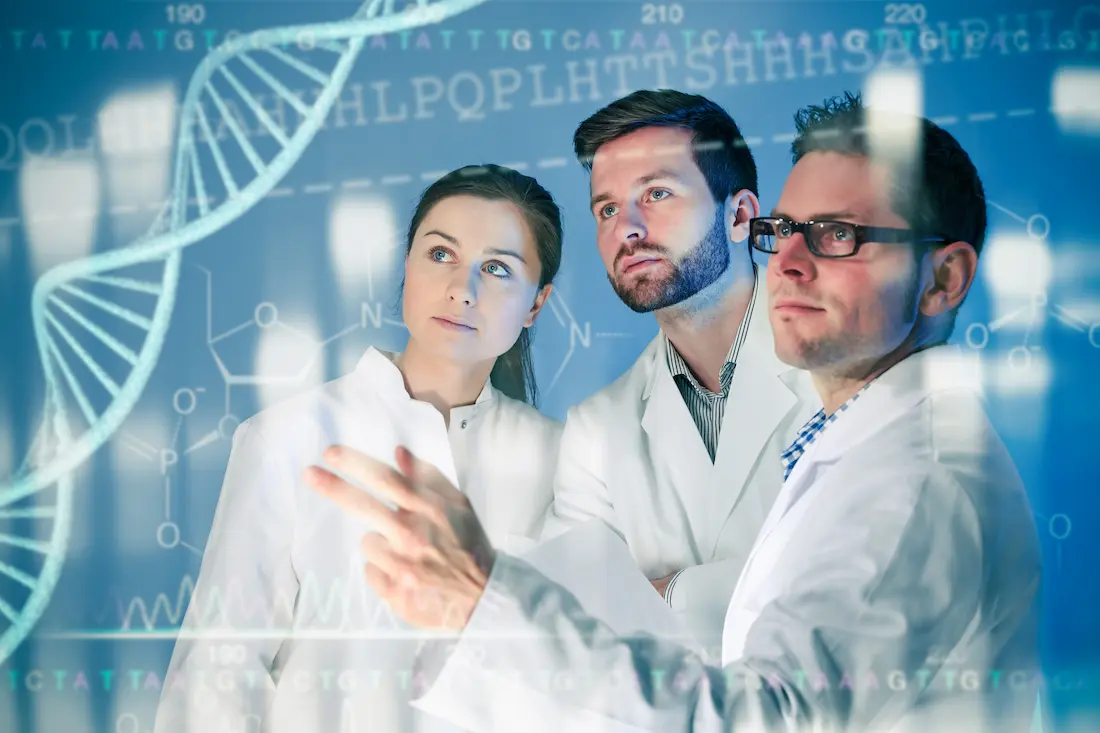
At the root of this difference, which the world of oncology studies closely, lies the complex biology of treatment-resistant cancer cases. Thanks to next-generation sequencing technologies, this complexity is being understood ever more clearly. The answer to the question was hidden in the DNA of the cancer cells.
Seeing Beyond the Microscope: Every Cancer Is Like a Fingerprint
In the past, cancer diagnosis and treatment were largely determined by the appearance of the tumor under the microscope and by the organ in which it first arose (lung, breast, colon, stomach, etc.). However, revolutionary advances in genomics taught us a critical truth: two tumors that look like copies of each other under the microscope can turn out to be completely different when their molecular structure is examined.
Every tumor has its own mutations, the pathways it uses to proliferate and grow, the resistance mechanisms it develops against drugs, and therefore an entirely different future. While some cancers progress slowly, particularly aggressive types are often diagnosed at the metastatic stage.
Thanks to the principles of personalized cancer treatment (precision oncology), we know that a successful treatment strategy must be built not according to "which organ" the tumor started in, but according to the changes in the tumor's biology.
Next-Generation Sequencing (NGS) Tests in Cancer and Turning Data Into the Right Decision
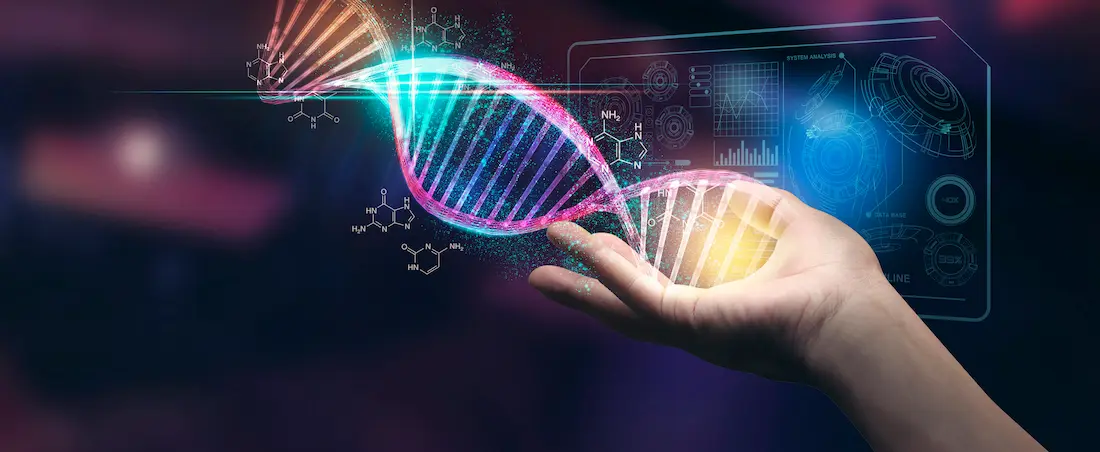
Today, mapping out the genetic blueprint of our patients' tumors with methods such as Next-Generation Sequencing (NGS) is a far more accessible technology than it once was. Thanks to comprehensive genomic profiling tests, we can clearly detect the targetable changes in tumor biology. This has become especially critical for understanding the development of treatment resistance in stage 4 cancer patients.
Yet the challenge we face in oncology today is not being able to perform these tests or to access pages upon pages of genetic data. The real challenge is being able to translate this complex genetic information into meaningful and accurate clinical decisions that will touch the patient's life and help restore their health. You may hold a very detailed map in your hands, but to reach the right target you need an expert team that can read that map correctly and chart the safest route.
What Is the Molecular Tumor Board?
This is exactly where the Molecular Tumor Board, the most important decision mechanism of modern cancer treatment, comes into play.
This board is a multidisciplinary "brain trust" in which not only medical oncologists, but also medical genetics specialists, molecular biologists, pathologists, and bioinformatics experts gather around the same table. This approach is especially important for going beyond classical treatment approaches in advanced-stage cancer cases.
The board's process essentially involves the following steps:
- The genetic and molecular information obtained from the patient's tumor is examined in detail.
- The changes in the tumor's biology are analyzed; the mutations and pathways that cause the tumor to grow and proliferate are identified.
- The most up-to-date smart drug therapies, targeted cancer treatment options, or immunotherapy methods worldwide that can halt these mutations or intervene in the pathways are evaluated.
- These findings are blended with the patient's overall health status to chart a fully personalized treatment route.
A Unique Approach, Tailored to You
Your disease is unique to you, just like your fingerprint. Therefore, when determining your treatment, going beyond the standards and being able to analyze the information arising from the changing tumor biology requires a high level of knowledge and experience in this field.
At our clinic, under the leadership of Prof. Dr. Mutlu Demiray, a strong team of 6 experts trained at the master's and doctoral level in molecular biology and genetics is at work (meet our team). This experienced team comes together regularly every morning to evaluate patients' molecular analysis results in detail. As an important part of the process, a molecular biologist from the team conducts a comprehensive review for each patient and presents a detailed written report containing the findings.
Sharing these reports in writing is of great importance for the patient's treatment process to be followed correctly. Indeed, patients who have molecular testing done at a different clinic are also advised to request their results in writing.
After all these evaluations, Prof. Dr. Mutlu Demiray presents the team's assessments and, based on the molecular structure of the tumor, a treatment roadmap that includes the most up-to-date treatment options in the world, in a meeting held with the patient. New-generation methods such as targeted therapies, smart drugs, and immunotherapies are applied at our clinic with an approach tailored to each patient.
The Molecular Tumor Board is where the most up-to-date genetic data offered by science meets the physician's clinical experience. Our goal is not merely to fight the disease; it is to maximize the success rate and quality of life by delivering the right treatment, to the right patient, at the right time, against the right target.
To learn more about your treatment process, smart drug applications, and personalized oncology approaches, and to find out which treatment doors your changing tumor biology may open specifically for you, you can get in touch with our clinic.