What Should Cancer Patients Eat? Scientific Facts and Personalized Nutrition Approaches

It is entirely understandable that patients and their families, after receiving a cancer diagnosis, want to bring order to their own nutrition. The question "what should cancer patients eat, what should they avoid?" stems from a search for an area the patient can keep under their own control during treatment.
While this motivation is very valuable, we need to be very careful about the "miracle diets," "cures that eliminate sugar entirely," or "fasting therapies" that frequently appear online. Standard fad diets applied without medical guidance can cause more harm than good and can prevent cancer drugs from achieving their expected effect.
The Body's Strength and Drug Effectiveness Are Connected
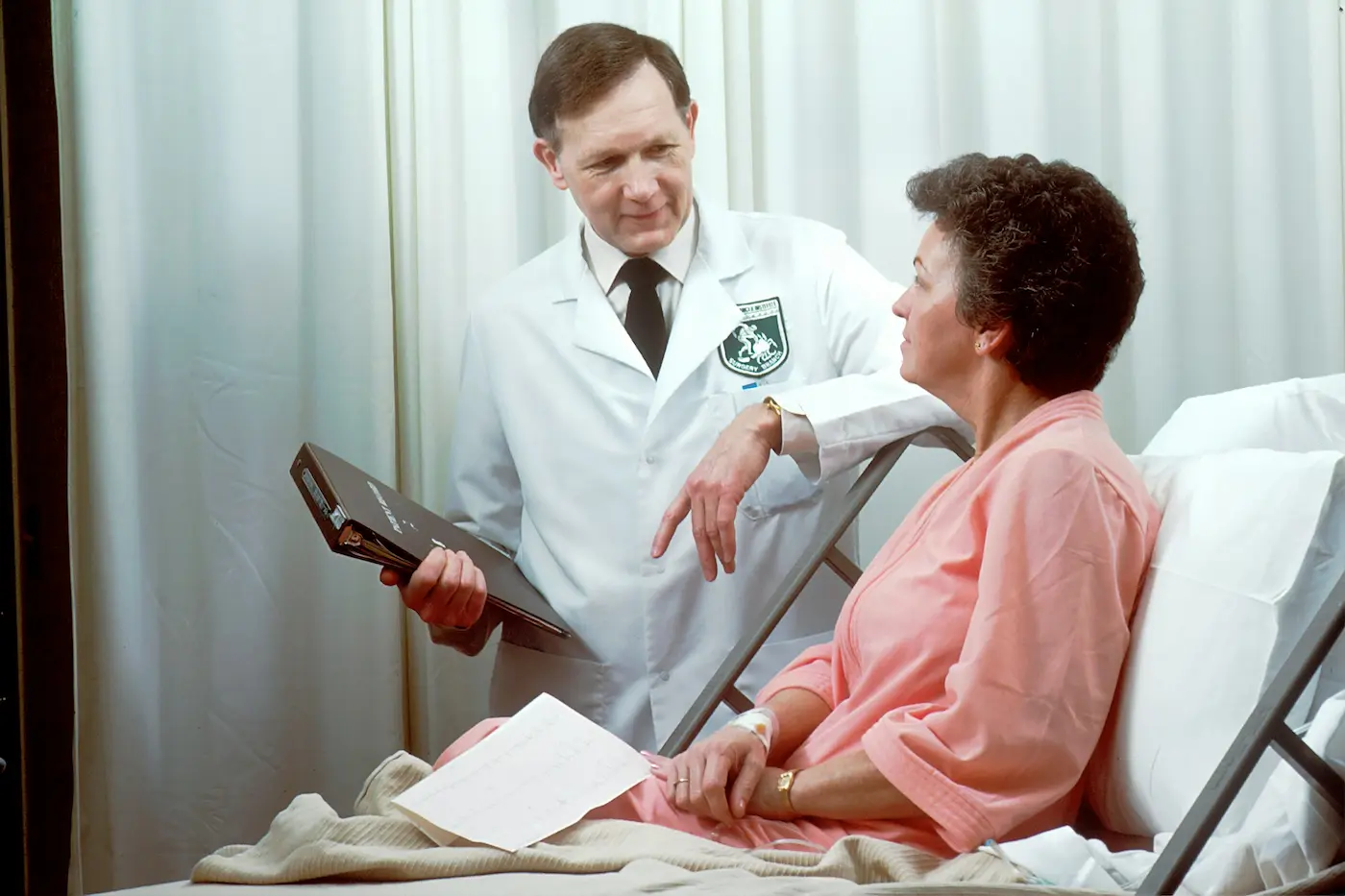
The smart drugs, chemotherapies, and immunotherapies we use today work through complex mechanisms in the body. For these drugs to be absorbed, reach the targeted tissue, and do their job, the body needs to be metabolically balanced.
If the body is malnourished and protein and calorie needs are not met, the liver and kidneys struggle to metabolize drugs properly. This can reduce the effectiveness of even the most advanced cancer drug in the world if the body is not adequately nourished. In addition, a body with reduced resilience feels the side effects of drugs more intensely, which can disrupt the treatment process. Our goal is to keep your body at a level that will best withstand the treatment.
"Personalized" Nutrition: The Alpelisib Example
Is nutrition standardized in cancer? Absolutely not. Nutrition, just like cancer treatment, must be "personalized to the individual and their genetics."
One of the most concrete examples of this is Alpelisib, a smart drug we successfully use in our patients who have a PIK3CA alteration (mutation) detected through comprehensive genomic profiling. Due to its mechanism, Alpelisib has a side effect of significantly raising blood sugar and insulin levels in the body (hyperglycemia). Excessively elevated blood sugar both threatens the patient's health and can reduce the drug's effectiveness.
For this reason, we may recommend "low-carbohydrate" nutrition models specifically to patients using this drug. The goal here is to suppress the drug's side effect and increase its effectiveness against the tumor. But be careful! This diet is by no means one the patient should design on their own by searching the internet; it is a medical intervention that must be entirely managed under the supervision of the physician and the oncology dietitian.
Every Type of Cancer Has a Different Dynamic: Dietary Fat Ratio and Its Relationship to Tumors
Cutting carbohydrates entirely and turning to high-fat diets (uncontrolled ketogenic diets) is not a sound strategy. An approach that may be beneficial for one type of cancer can cause another to progress and become more aggressive.
One of the most recent and striking pieces of evidence for this is a scientific study published in the journal APL Bioengineering in 2026. Researchers from Princeton University tested the free fatty acids and lipids circulating in the bloodstream following feeding in an experimental model. In this study, which examined triple-negative breast cancer (TNBC) cells, tumors exposed to a high-fat circulating fluid were found to alter their metabolism, rapidly increasing a specific enzyme (MMP1) that breaks down tissue, and to spread far more aggressively into the surrounding area. Strikingly, tumors in a high-glucose (sugar), carbohydrate-rich environment remained smaller compared to this high-fat environment.
This scientific finding shows us the following truth: even if a patient is not physically weak at all (that is, even if they are not obese), if they raise the free fat levels in their blood through a high-fat diet they choose on their own, they can unknowingly directly trigger the tumor's capacity to spread. This is precisely why popular nutrition trends should never be incorporated into the treatment process without the detailed analysis and approval of your oncologist and specialist dietitian.
Natural Is Not Always Harmless: Unsupervised Supplement Use

To support your body during the recovery process, you may want to turn to vitamins, herbal extracts, or popular dietary supplements. Of course, replacing vitamins and minerals that are deficient in cancer patients — after being clearly identified through blood tests — is an integral part of personalized nutritional therapy. However, under the misconception that "what is natural is always safe," supplements taken based on hearsay, without a proven deficiency, can seriously jeopardize treatment in oncology.
In particular, supplements that are very common in society and seem harmless — such as vitamin B12, iron, and certain antioxidants — can create serious dangers in certain cancer types:
- Vitamin B12: High-dose, prolonged, unsupervised use of vitamins B12 and B6, which are necessary for cell division, has been reported to potentially be associated with lung cancer, particularly in men who smoke. In addition, scientific studies show that uncontrolled high levels of B12 and folic acid may lay the groundwork for aggressive disease progression and are associated with poor prognosis in certain subgroups of colon (bowel) cancer.
- Iron Supplements: Although iron is vital for our body, it is also one of the minerals that cancer cells need most (and draw to themselves) in order to proliferate rapidly. Unsupervised high-dose iron supplements can accelerate tumor growth, particularly in colorectal cancers, and can trigger disease progression by creating a microenvironment that protects cancer cells.
- Unsupervised Antioxidant Use (Vitamin E, Beta-Carotene, NAC): Cancer cells try to survive by reducing oxidative stress in the body. Antioxidant supplements such as vitamin E, beta-carotene, or N-acetylcysteine (NAC), when used without medical supervision, can protect cancer cells by lowering this oxidative stress and can accelerate the spread of the disease (metastasis). Recent studies conducted by researchers at the Karolinska Institute in Sweden, published in respected journals such as The Journal of Clinical Investigation, have proven that vitamin E and NAC supplements activate a protein called "BACH1" in cancerous tumors. This protein can cause tumors to form new blood vessels around themselves (angiogenesis), enabling particularly lung cancer and melanoma (skin cancer) tumors to be nourished rapidly and to spread through the body.
For this reason, any supplement you take without your oncologist's knowledge can undermine the effectiveness of your actual treatment by essentially shielding cancer cells or feeding the tumor. If your body needs a vitamin or mineral, this must be determined by your doctor with personalized doses based specifically on your blood values and disease, and used under strict medical supervision.
Why Is It Important to Preserve Your Muscle Mass and Metabolic Strength?
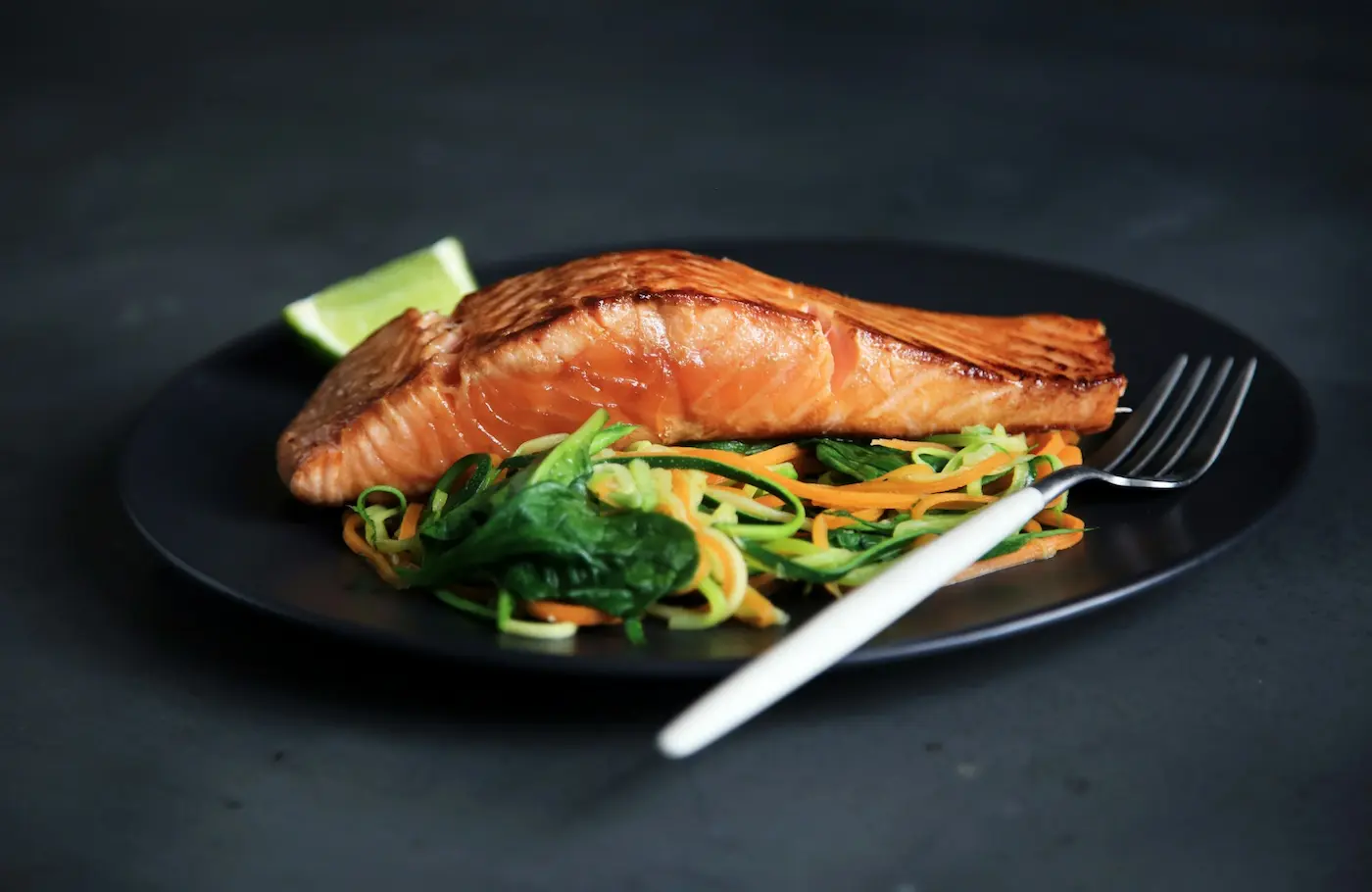
One of the biggest risks of self-directed fasting diets or a monotonous diet is that the body rapidly loses muscle. Since cancer cells tend to consume the body's energy, when sufficient, quality protein is not taken in from outside, the body begins to break down its own muscle tissue in order to survive.
Recent scientific publications reveal another striking fact: muscle mass is vital not only for our physical strength but also for maintaining a healthy metabolism. Our skeletal muscles are the body's largest metabolic engine. They balance blood sugar, store the building blocks needed by immune cells, and support the liver in processing (metabolizing) the cancer drugs you take correctly in the body. In other words, when you preserve your muscle mass, you are actually preserving your entire metabolism and immunity.
When sarcopenia develops, it is not just the patient's fatigue that deepens; their entire metabolic balance is disrupted and their immune system weakens. Clinical studies clearly show that sarcopenic conditions negatively affect treatment success and overall survival, regardless of the stage of the cancer. Sometimes, even while the tumor is under control, the treatment process is disrupted due to metabolic collapse and muscle loss caused by improper nutrition.
In Summary: A Scientific Approach Gives Us Strength
Do not manage your nutrition on your own during your treatment process. The right drugs and the right nutrition are the two fundamental pillars that carry recovery. Instead of applying popular trends found online, you can create the safest nutrition plan best suited to you and your disease by working together with your oncologist and specialist oncology dietitian who manage your treatment.
Frequently Asked Questions About Cancer and Nutrition
How should nutrition be managed during chemotherapy? Nutrition during chemotherapy is not one-size-fits-all. A personalized program that ensures adequate protein, vitamin, and calorie intake — based on the patient's current weight, blood values, and the mechanism of the drug being used — must be planned by an oncology dietitian.
Is the use of vitamins and antioxidants safe for cancer patients? No, supplements used without medical supervision, in the absence of a proven deficiency (via blood tests), are not always safe. In particular, high-dose B12, iron, and certain antioxidants (such as vitamin E, beta-carotene, and NAC) can accelerate disease progression by feeding tumors. Supplements should only be used at personalized doses and durations, under a doctor's supervision, once a deficiency has been shown in your blood tests.
How can loss of muscle strength (sarcopenia) be prevented in cancer patients?
The most fundamental way to preserve muscle mass and strength is to avoid restrictive diets that starve the body and to consume an adequate daily amount of quality protein. Regular, light physical activity done with your physician's approval also provides significant support in preserving muscles and a healthy metabolism.
Sources
- Adipose Tissue and Triple-Negative Breast Cancer: Kohram, M., et al. (2026). Fat promotes growth and invasion in a 3D microfluidic tumor model of triple-negative breast cancer, APL Bioengineering. DOI: 10.1063/5.0291646
- ASCO 2026 (Malnutrition and Survival): Deenadayalan, V., et al. (2026). Protein-energy malnutrition and survival outcomes in metastatic triple-negative breast cancer patients receiving systemic therapy. Journal of Clinical Oncology.
- Antioxidants and Tumor Spread (Angiogenesis): Wiel, C., et al. (2023). Antioxidants stimulate BACH1-dependent tumor angiogenesis, The Journal of Clinical Investigation.
- Vitamin B12 and Cancer Risk: Willis, B. (2026). Do B vitamins increase the risk of getting cancer? Examine. / Science Alert (2026).
- Iron Supplements and Cancer Progression: (2024). The Impact of Iron on Cancer-Related Immune Functions. PMC.
- Alpelisib and Low-Carbohydrate Management: Rugo, H. S., et al. (2024). Management of Hyperglycemia Associated with Alpelisib Plus Fulvestrant... The Oncologist.
- Sarcopenia and Cancer Survival: Shachar, S. S., et al. (2020). Sarcopenia as a predictor of outcomes in cancer patients... European Journal of Cancer.