A Durable "Complete Response" with Immunotherapy in an HIV-Positive Patient with UV-Driven Head and Neck Cancer


A striking scientific case report published in the medical literature reveals how a patient living with HIV, who developed lower-lip cancer due to sun-related (UV) damage, completely and durably beat the cancer with immunotherapy.
22 May 2024 — This case report, prepared and published by Prof. Dr. Mutlu Demiray and his team, appeared in the international peer-reviewed journal Oral Oncology. The study offers a striking example proving that HIV-positive cancer patients should not be excluded from modern immunotherapy.
What Was the Challenge?
Individuals carrying the HIV virus, which affects the immune system, have historically been excluded from clinical trials testing new cancer drugs, citing "safety concerns."
The patient described in this report, who had lower-lip cancer (a type of head and neck cancer), faced a similar difficulty. After receiving standard treatments (radiotherapy and chemotherapy), he was accidentally found to be HIV-positive on blood tests carried out in Russia, after which he was turned away by multiple medical centers and entered a very difficult period.
How Was the Tumor's Code Cracked?
Refusing to give up, the specialist physician had a highly detailed genetic mapping (genomic profiling) performed on the patient's tumor, and this advanced analysis yielded the following critical findings:
- UV signature: The patient's cancer was largely caused by exposure to intense sunlight (UV) — alterations in the CDKN2A/B, PBRM1, TP53 and TERT genes confirmed this "UV signature."
- High mutation burden: The tumor harbored a large number of genetic disruptions (high tumor mutational burden).
- PD-L1 marker: The cancer cells carried a special marker called PD-L1, which enables the immune system to recognize them.
This genetic code indicated that the patient would respond very well not to classic chemotherapy, but to the immunotherapy drug called Nivolumab, which stimulates the body's own immune system to fight the cancer.
The Treatment and the Success That Followed
While continuing his existing HIV medications (antiretroviral therapy), the patient was simultaneously treated with nivolumab (immunotherapy) and supportive intravenous vitamin C (IVC).
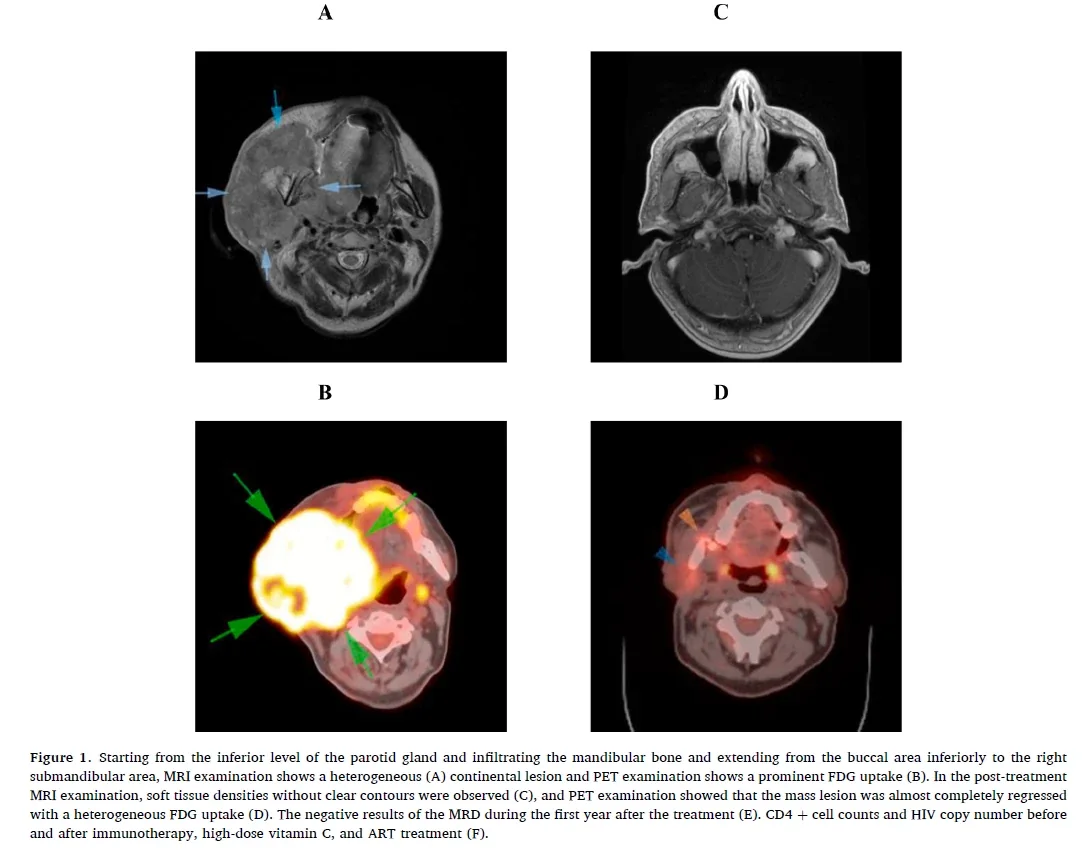
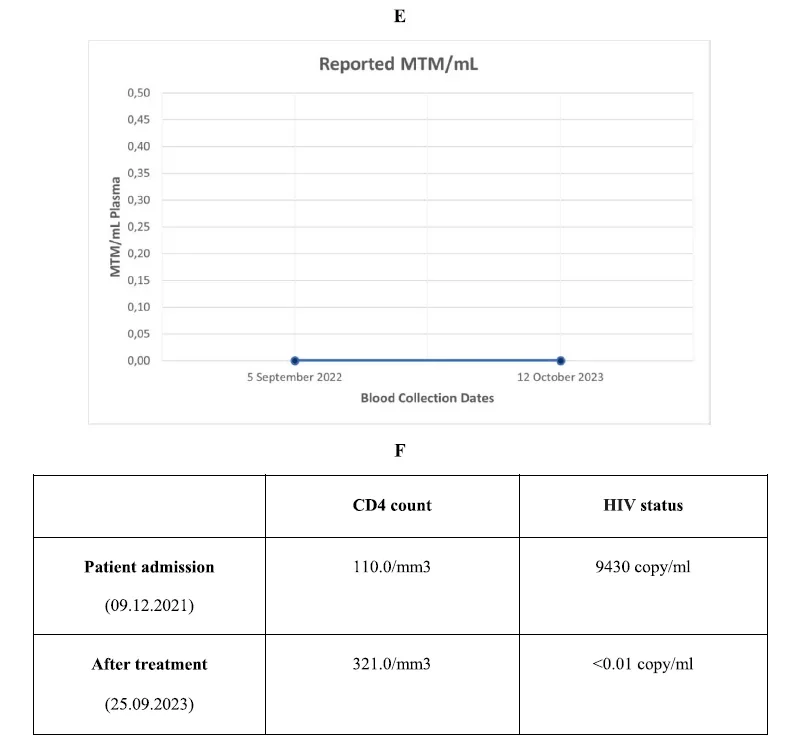
The outcome of the treatment became a great source of hope for the medical world: no trace of cancer remained either on the patient's radiologic scans (CT/MRI, etc.) or on his molecular tests (ctDNA). Moreover, this successful outcome was not a temporary improvement — it was recorded as a durable, long-lasting complete response.
Why Is This Research Important for the Public and for Patients?
- Hope for cancer patients living with HIV: This study proves that HIV-positive individuals should not be excluded from modern cancer treatments (immunotherapy) and that these treatments can be extremely safe and life-saving for them too.
- The power of personalized (precision) medicine: It shows once again how vital it is to choose a "patient-specific" drug by examining the genetic structure of the tumor, rather than applying standard prescriptions.
- Safe treatment management: It demonstrates that cancer treatments and antiviral (HIV) treatments can be used together, safely, under the supervision of expert physicians.
Publication Link: https://pubmed.ncbi.nlm.nih.gov/38781626/
Images from the Publication