A Complete Response with Personalized Immunotherapy in "Cold Tumor" Adenoid Cystic Carcinoma

Although the conventional immunotherapy biomarkers were negative, dual immunotherapy chosen on the basis of the frameshift and splice site mutations found in the tumor's genomic profile produced a complete radiologic response in our patient with radiotherapy- and chemotherapy-refractory metastatic adenoid cystic carcinoma.
September 29, 2024 — Our case report, describing our team's approach to the treatment of adenoid cystic carcinoma (ACC), a rare cancer type, was published in "Current Oncology".
Why This Study Matters
Adenoid cystic carcinoma (ACC or AdCC) is a rare type of head and neck cancer. Especially once the disease has spread (metastasized) or recurred, standard chemotherapy and radiotherapy are usually not enough.
Immunotherapy (drugs that mobilize the immune system against cancer), which has come to the fore in cancer treatment in recent years, unfortunately usually does not work in patients with ACC. The reason is that ACC tumors are typically what is called a "cold tumor": immune cells cannot get inside the tumor, and the tumor does not carry the standard immunotherapy biomarkers (such as a high tumor mutational burden or PD-L1 positivity).
Despite these negative standard biomarkers, our study is one of the rare and pioneering reports in the literature showing that a complete response (the total disappearance of the tumor) can be achieved in this difficult cancer type by examining the genomic map of the patient's tumor in depth and using a personalized immunotherapy combination.
Study Summary
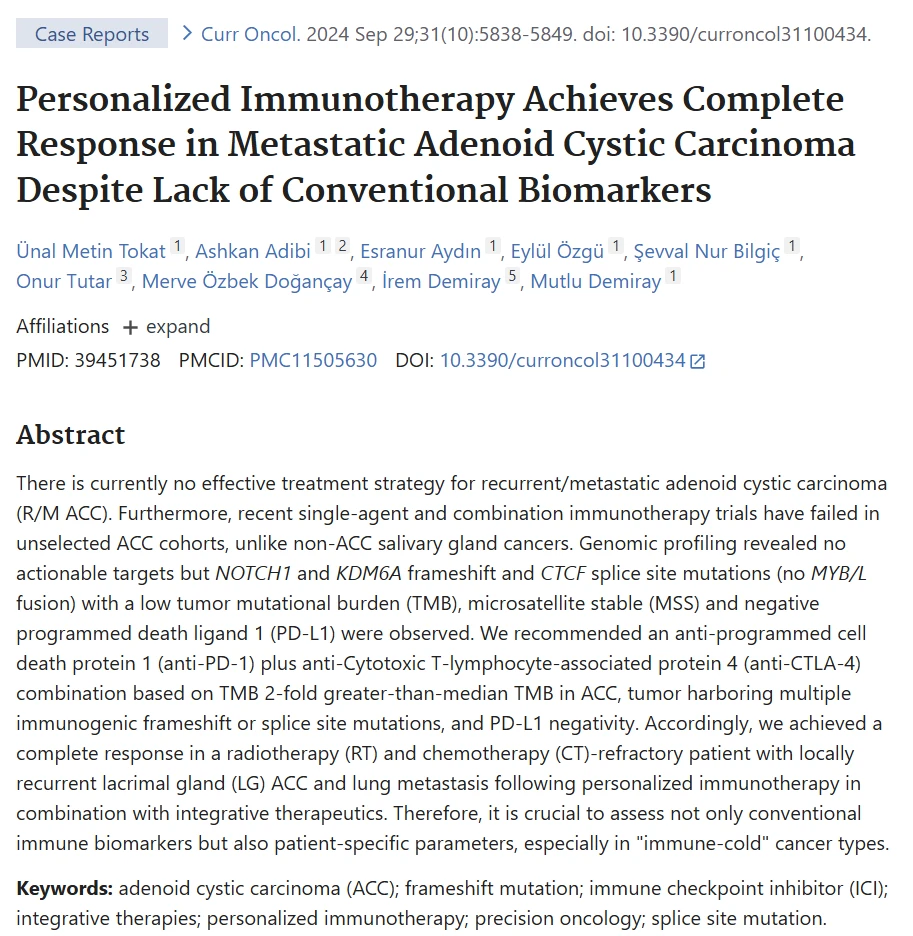
Our article covers the treatment course of a 39-year-old female patient who was diagnosed with lacrimal gland ACC in 2012 and whose disease recurred over the years and spread to her lungs. Our patient had previously undergone surgery, radiotherapy and chemotherapy many times, yet the disease still progressed.
Our team mapped the genomic profile of the patient's tumor (comprehensive genomic profiling, CGP). Although on standard testing the tumor looked unlikely to respond to immunotherapy (low tumor mutational burden, microsatellite stable and PD-L1 negative), a deeper look at the data revealed special types of mutation capable of stimulating the immune system: frameshift mutations in the NOTCH1 and KDM6A genes and a splice site mutation in the CTCF gene.
For treatment we used two different immunotherapy drugs together (nivolumab and ipilimumab). Our aim was to break down the "cold" wall around the tumor and let immune cells get inside. We also supported this treatment with high-dose intravenous vitamin C and a special turmeric extract (curcumin) in order to support the immune system.
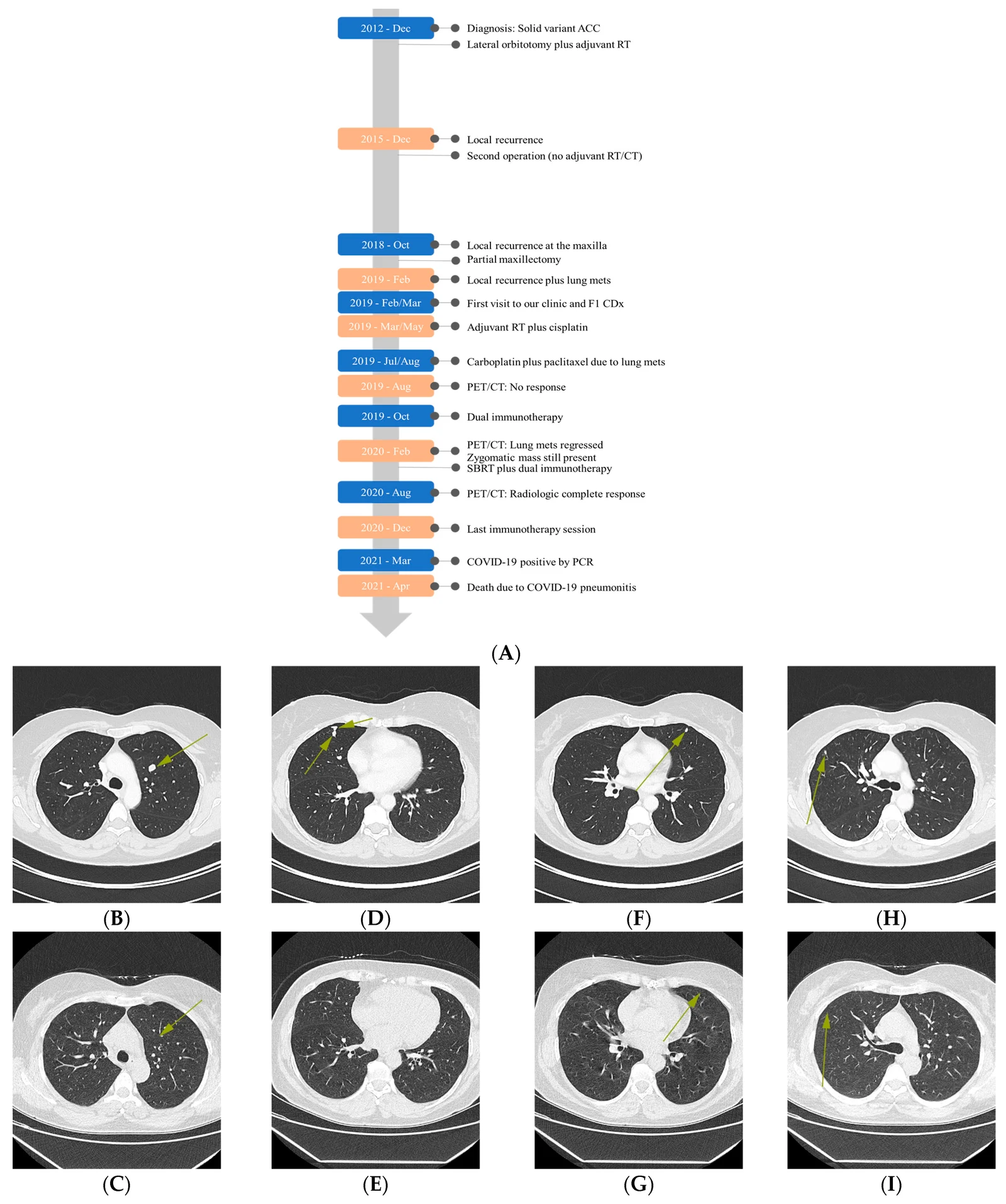
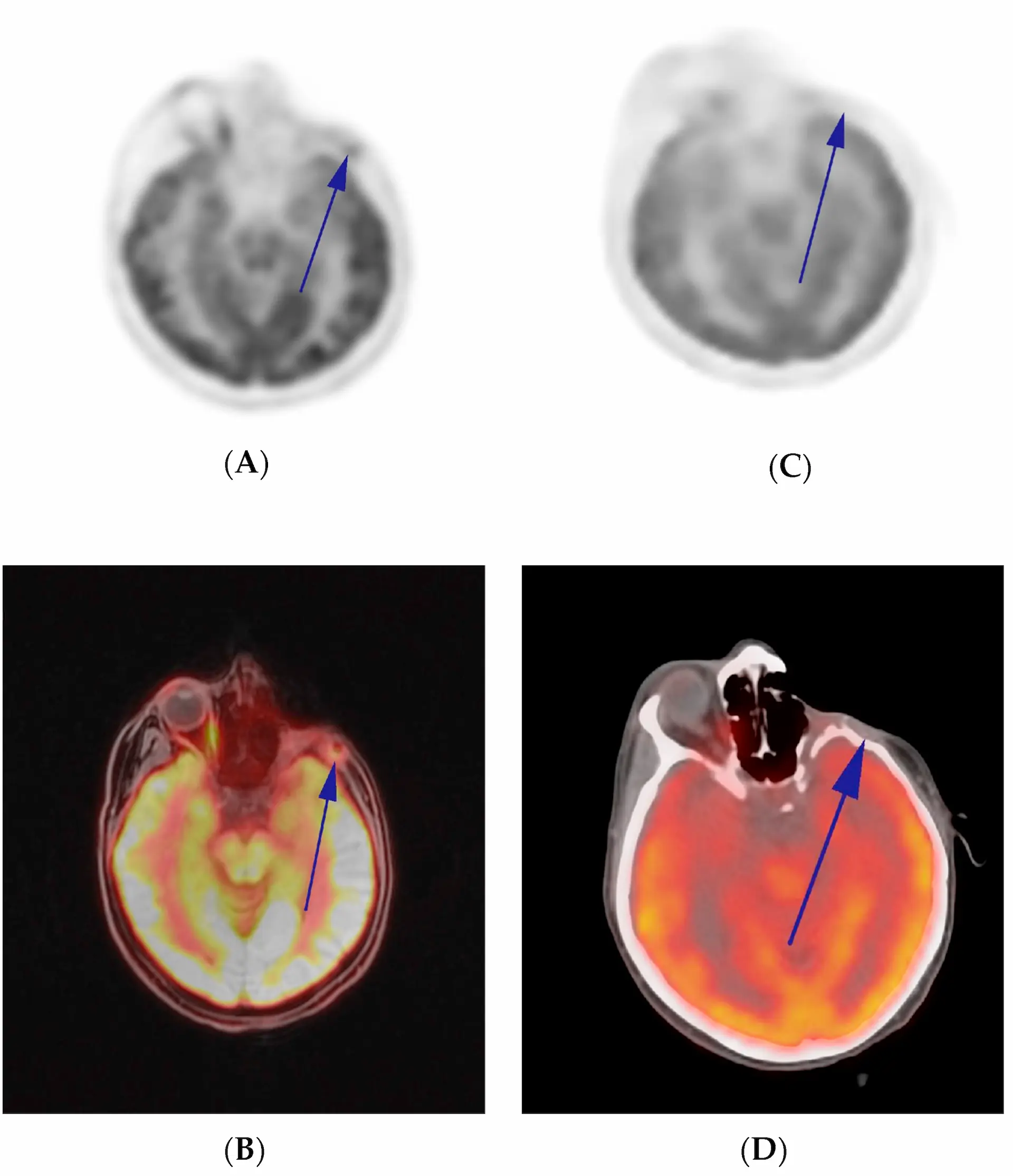
As a result, the lesions in our patient's lungs and bones disappeared completely (complete radiologic response). This response lasted a long time, about 17 months, until our patient passed away from COVID-19.
Key Takeaways
- Standard biomarkers are not always sufficient: The fine details of a tumor's genetic makeup (the type and quality of its mutations) can determine whether that tumor will respond to immunotherapy, and therefore how successful the treatment will be.
- Patient-specific combinations can be life-saving: Combination treatments designed specifically around the genetic code of a patient's own tumor can be effective even in the seemingly most hopeless cases.
- "Cold" tumors can be turned into targets: Tumors that are closed off to the immune system, such as ACC, can be turned into targets for that immune system with the right drug combinations (dual immunotherapy) and supportive therapies.
Publication Link: https://www.mdpi.com/1718-7729/31/10/434
Images from the Publication