FLT3 and MRD: Molecular Clues That Changed the Direction of Treatment in Metastatic Colon Cancer

In a patient with colon cancer with liver metastasis who had received intensive chemotherapy and radiotherapy and had undergone surgery, MRD monitoring revealed early on that the response to treatment was insufficient. An FLT3 copy number gain, rarely encountered in colon cancer, was identified as a resistance factor and targeted, and the patient's tumor disappeared completely.
July 1, 2024 — This case report, prepared and published by Prof. Dr. Mutlu Demiray and his team, appeared in the journal Frontiers in Oncology.
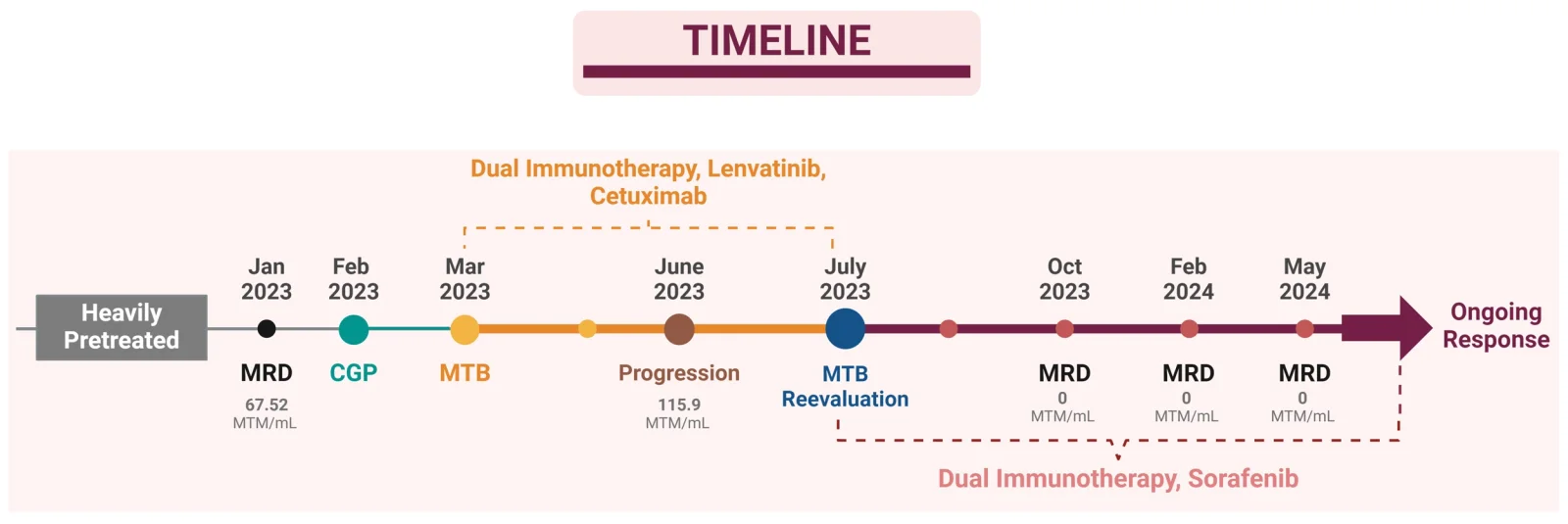
Comprehensive genomic profiling was performed in a patient with colon cancer with liver metastasis who had previously received intensive chemotherapy and radiotherapy and undergone surgery. Although a profile indicating the potential effectiveness of immunotherapy was identified at the first stage, the desired response to this treatment was not obtained.
Minimal residual disease (MRD) monitoring was carried out to follow the course of treatment, and the insufficiency of the response was noticed at an early stage. On examination, FLT3, in which a high copy number gain was detected in the patient, had not initially been considered one of the main targets of treatment because it is known mainly in blood disorders and is rarely encountered in colon cancer, but it was determined that it could be a resistance factor. Changes were therefore made to the treatment plan; following a detailed analysis of the tumor biology, the resistance mechanisms of the disease were identified and a combination treatment targeting these mechanisms was started.
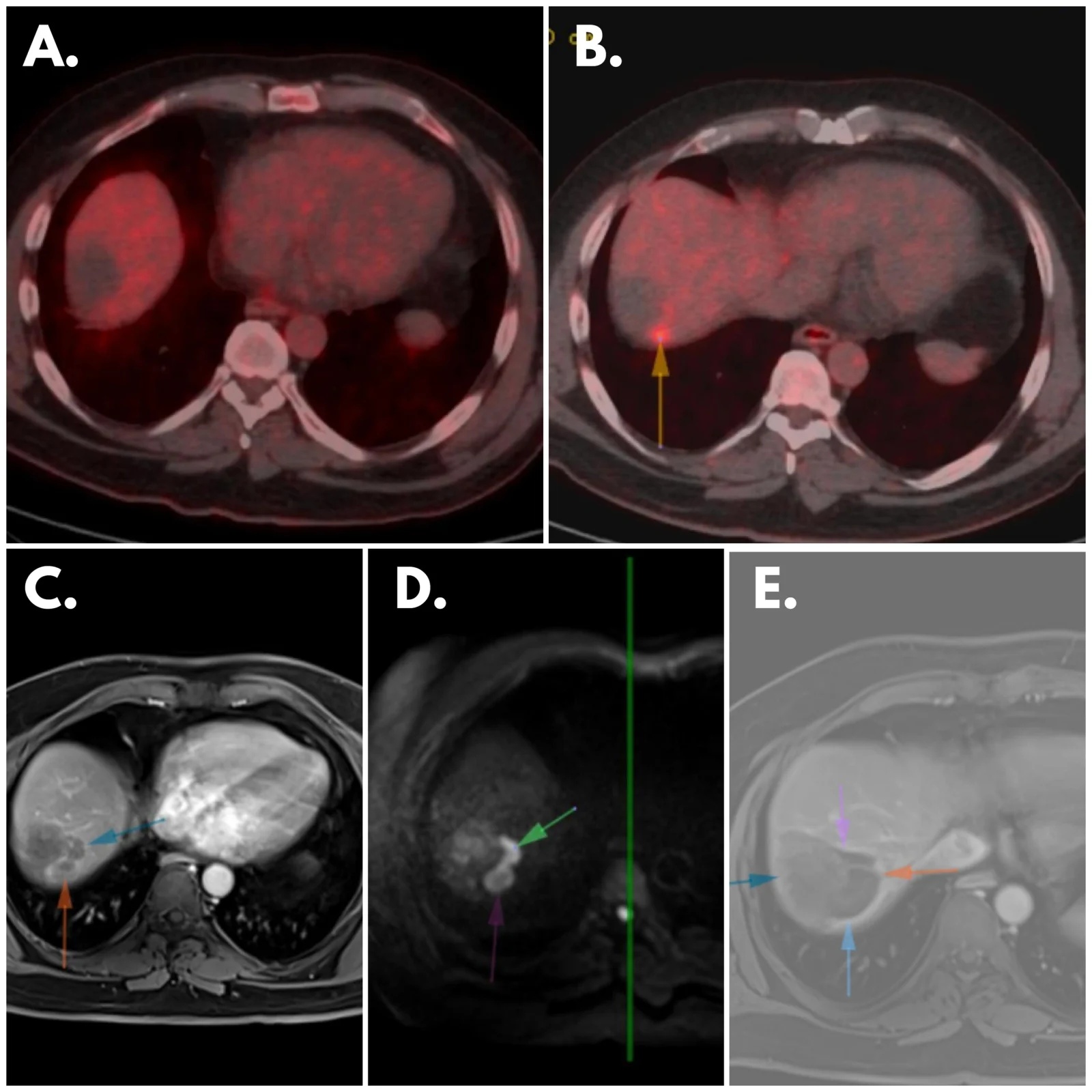
This combination treatment was extremely successful, and the molecular and radiological assessments carried out determined that the patient's tumor had disappeared completely.
This publication is highly important in that it demonstrates that comprehensive genomic profiling can also produce effective results for heavily pretreated patients, the advantages provided by MRD monitoring, and the effectiveness of targeting resistance mechanisms for patients in whom treatment resistance is detected despite conventional markers.
Why Does This Case Matter?
The core message of this study is that the precision oncology approach is a dynamic process rather than a one-off genomic assessment. While the genomic profile creates a biological hypothesis for treatment, serial ctDNA/MRD measurements can help track how that hypothesis holds up over the clinical course. In this case, the molecular and radiological progression that emerged under treatment made it possible to reassess the initial genomic data and to include in the treatment decision a molecular finding that had not previously been prioritized.
Publication Link: https://www.frontiersin.org/journals/oncology/articles/10.3389/fonc.2024.1405170/full
Images from the Publication