
Precision Oncology
Welcome to our Precision Oncology Center!
At our center, individualized cancer treatment recommendations are made and applied. Our team includes 6 molecular biology and genetics specialists led by Prof. Dr. Mutlu Demiray, along with experienced oncology nurses. At our center, the genetic mapping results of more than 2,500 patients have been analyzed to reveal the differences in their tumor biology, and personalized treatment plans aligned with the most up-to-date treatment approaches worldwide have been created for each patient. We would like to inform you more closely about the service provided at our center:

What is Precision Oncology?
The main goal of precision oncology is to apply the right cancer treatment to the right patient, at the most effective dose and the most suitable time. These goals also apply to the treatment methods known as chemotherapy and radiotherapy; however, the methods and drugs we used in the past were far from a truly personalized understanding of treatment. So what are the reasons behind this change? The answer to this question lies in major scientific and technological developments. Here are some milestones:
1. The Human Genome Project: Completed in 2021, this project enabled the detailed mapping of more than 21,000 genes. As a result, understanding the genetic causes of cancer and other diseases became easier.
2. Gene Sequencing Technology: This technology, which makes it possible to read DNA and RNA quickly and in detail, has made significant progress.
3. Comprehensive Tests: Genetic tests, which were previously quite expensive and limited, became more widespread and more accessible over time.
4. New Drugs: In recent years, many new cancer drugs have come into use. For example, while the U.S. Food and Drug Administration (FDA) approved only one new cancer drug in 2000, this number rose to 18 in 2020. Most of the approved cancer drugs are targeted therapies and immunotherapies. These drugs offer effective treatment by focusing on specific features of cancer cells. All of these new drugs consist of smart drugs and immunotherapies that intervene in the biological mechanisms disrupted in cancer.
Along with these developments, comprehensive genomic profiling (CGP) began to be carried out using next-generation sequencing (NGS) methods. In this way, both the DNA and RNA of cancer cells are examined, allowing a deeper analysis of the tumor's biological behavior and information about the tumor microenvironment. In addition, the detection of gene alterations has made it possible to identify new treatment targets (for example, HER2, EGFR, BRAF, ALK, KRAS, PD-L1) and to develop new treatment methods directed at these targets.
Even as you read these lines, scientists all over the world continue their intensive work to discover new targets and drugs in cancer.
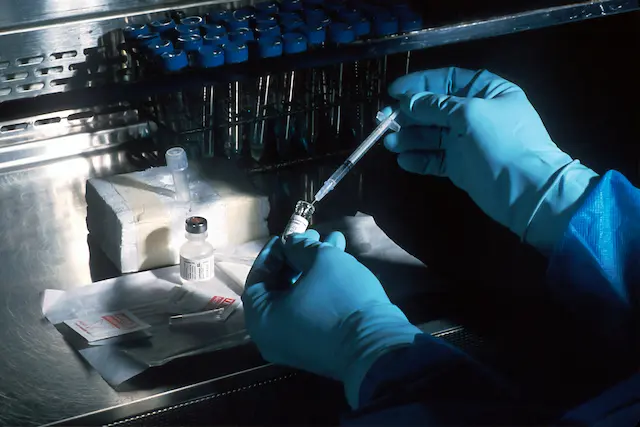
What is Comprehensive Genomic Profiling (CGP) / Genetic Mapping?
Comprehensive genomic profiling is a test that examines the genomic information (DNA and/or RNA) of cancer patients in detail in order to personalize their treatment processes. By analyzing the genomic structure of tumors, this test provides the data needed to determine the most appropriate treatment options. In other words, with this assessment we get to know the enemy in front of us better and arrange our treatments accordingly.
How Has Genomic Profiling in Cancer Affected Oncology Practice?
1. A paradigm shift: In light of developments especially over the last 10 years, the "organ-specific" approach to cancer treatment has begun to give way to a "biology-specific" approach. For example, drugs that previously could only be used by patients who had melanoma (a type of skin cancer) and carried a mutation in the BRAF V600 gene can now, under the new approach, also be applied to other cancer patients carrying the same mutation (lung cancer, thyroid cancer, etc.), regardless of the tumor's origin or the organ it arose from. This approach is called the tumor-agnostic approach, and the number of drugs approved in this way is increasing day by day (cancer.org — tumor-agnostic drugs). In short, treatments based on biological foundations are candidates to be more successful than empirical chemotherapy applications.
2. Selecting immunotherapy: Analysis of tumor biology and the tumor microenvironment is especially important for immunotherapies. How immunotherapy will be used, whether it will be single or dual, whether chemotherapy will be added alongside it, and whether combinations with smart drugs will be made should not be decided without learning the biological behavior of the tumor.
3. Selecting smart drugs: Today, more than 100 smart drugs with different mechanisms of action are in oncology use. The effectiveness of smart drugs depends on tumor biology and tumor behavior, meaning that applying smart drugs without performing comprehensive genetic analyses can reduce the chance of success. Thanks to genetic examinations, if we understand tumor biology well, we can determine which smart drug, how, or in which combinations could be most beneficial for the patient.
4. Selecting chemotherapy: After learning tumor biology, all treatment alternatives are among the patient's treatment options, meaning that chemotherapy is still used as an important treatment modality. Performing a genetic test does not mean treatment without chemotherapy. Test results can predict which mutations in the tumor are associated with sensitivity or resistance to which group of chemotherapy agents. When all results are evaluated together, the best treatment recommendation for the patient may be chemotherapy, immunotherapy, smart drugs, or different combinations of these.
How Does the Process Work at Our Center?

At this center to which you have applied, certain processes are required to determine the personalized cancer treatment most suitable for you:
1. First Consultation: In this consultation, the patient's medical history is examined in detail. Previously performed tests, applied treatments, and operation reports are reviewed. For this appointment, it is important to bring the CDs of previously performed tests, surgery or biopsy reports, records related to chemotherapy, radiotherapy, immunotherapy, and smart drug applications, as well as examinations such as CT, MR, PET/CT if available. In addition, providing the paraffin blocks containing the surgical or biopsy material at this consultation will help the process proceed faster.
2. Selecting the Appropriate Test and Sample: By evaluating the patient's general condition, tumor size, and metastasis (spread) status, the most appropriate test and sample-collection method for genetic profiling in cancer is determined. There are two methods of obtaining samples for genetic testing:
- Tissue Biopsy: A sample taken from tumor tissue is used to examine the genetic structure of the tumor. It is performed on surgical material or biopsy samples. For some patients, samples selected from old pathology blocks may be sufficient for analysis, while in other patients a new biopsy may be required.
- Liquid Biopsy: This is a test used to detect tumor cells present in the body or the DNA, RNA, and other molecules shed from them in blood, urine, and other body fluids. It is performed by taking blood from the patient.
3. Sample Quality and Adequacy: As a result of surgery or biopsy procedures, some patients may have numerous paraffin blocks or slides. If your pathologist is informed that the samples will be sent for genetic testing, your pathologist determines which of these blocks are most suitable for the test. When the selected samples are sent for genetic testing, the quality—that is, the adequacy and suitability—of the tumor tissue is evaluated first; however, even if your pathologist has selected the paraffin blocks with the highest tumor cell ratio, these samples may carry quality problems in terms of DNA and RNA. If tumor tissue of sufficient quantity, ratio, and quality cannot be detected, the genetic test cannot be performed. In this case, an "INSUFFICIENT/INADEQUATE" notification may be issued before the test is completed, and a new tissue or blood sample may be requested. In rare cases, the re-collected sample may also be found unsuitable for the test. These processes can both cause loss of time and physically strain the patient due to a new biopsy procedure. Despite all precautions, these possibilities can occur even in the best centers. Considering the patient's condition, an empirical treatment may be started to prevent loss of time, or continuation of the current treatment may be recommended. Once the genetic profiling is completed, the most appropriate treatment options will be determined and recommendations will be made.
Which Analyses Are Performed in Comprehensive Genomic Profiling?
Comprehensive genomic profiling is carried out by bringing together many different analyses. Test results may come out separately for each analysis; however, an accurate and sound treatment plan cannot be created until all results are obtained. Although not the same for every patient, the following important analyses are performed and reported in the profiling:
- DNA and RNA Sequencing: This is a detailed analysis performed to examine the changes in the tumor's DNA and RNA; it provides information about why the tumor formed and how it progressed. For an assessment regarding treatment planning to be made, this part of the test must be completed.
- PD-L1 Staining: This is a protein that functions as an immune checkpoint and can be produced by tumor cells or immune system cells. It has a suppressive role that deactivates immune cells. One of the tumor's methods of escaping the immune system is producing this protein in excess. PD-L1 staining performed on tumor tissue can be an important marker for immunotherapy sensitivity.
- RNA Expression Analysis: This shows which genes are active in tumor cells. This information can affect the course of the disease and the response to treatment.
- HRD Score (Homologous Recombination Deficiency): This is a score that indicates a defect in the DNA repair system and is calculated by special methods. A high HRD score can predict sensitivity to PARP inhibitor drugs in certain patient groups, such as breast and ovarian cancer.
- Additional Analyses: In some patients, after genomic profiling, additional tests such as Her-2, FOLR1 or additional information such as gene copy number may be needed, and these can be requested from the laboratory performing the genomic profiling. In some cases, additional immunohistochemical (IHC) examinations such as Androgen Receptor (AR), Estrogen Receptor (ER), Progesterone Receptor (PR), pERK, NTRK, and ALK may be requested from pathology laboratories. Waiting for these additional analyses to be completed may prolong the treatment planning process; however, additional analyses are critically important for predicting the patient's treatment response and determining appropriate treatment options.
- The Testing Process: All genetic examinations performed at our center are carried out in the world's leading laboratories that are FDA-approved or validated and whose reliability has been proven. Since the test centers are abroad, results are normally obtained within a minimum of 2 weeks. Once the genomic profiling is completed, the stage of evaluating the patient at molecular tumor boards and writing the curation report begins. This stage is also completed within 7–10 days.
Molecular Tumor Board (MTB) and the Curation Report
At our center, a multidisciplinary team of 6 molecular biology and genetics specialists led by Prof. Dr. Mutlu Demiray meticulously monitors each patient's genetic testing process. The test results obtained are discussed at MTB meetings after detailed literature review and data analysis. Treatment decisions are made after each patient's data is evaluated at the MTB at least twice. As can be seen, the path of standard chemotherapy is not taken for cancer patients without fully learning their tumor biology.
Treatment recommendations and their rationale are clearly communicated to the patient and their relatives, and a written curation report is provided. This report contains a detailed analysis of the genetic mutations in the tumor, identifies which cell systems the genetic abnormalities affect, and explains which treatment targets these abnormalities can be directed toward. In addition, the results of clinical and preclinical research conducted on potentially effective drugs are also included in the report, and possible resistance and sensitivity mechanisms that may develop against certain drugs are identified. In light of all this information, the most appropriate treatment strategies are recommended to patients.
In special cases, it may be necessary to discuss the case at other Molecular Tumor Board meetings at the national or international level. Our center has a broad national and international network for such discussions, which contributes to offering our patients the most up-to-date and effective treatment options.
NOTE: In rare cases, due to epigenetic reasons (changes in gene expression occurring without DNA alteration), test results may not show any targetable mutation. Such situations are clearly communicated to the patient, and in this case standard treatment options can be evaluated.

Treatment Recommendations
Unlike the classical oncological approach, individualized cancer treatment is arranged not on an organ basis but according to the genetic and biological characteristics of the patient's cancer. For this reason, it may differ from the treatments arranged on an organ-specific basis by the Ministry of Health. Treatments are arranged according to the patient's previous treatments, current clinical condition, and primarily the genetic and biological structure of their cancer. As stated before, comprehensive genomic profiling helps us identify not only the treatment options that may be effective but also (by showing resistance mechanisms) the treatments that may be ineffective. In this context, we can decide both what to do and what not to do. In biology-based treatments, all cancer drugs are within our treatment approach, meaning there is no distinction such as "the drug for stomach cancer" or "the drug for breast cancer." If the patient's tumor biology is suitable, even a drug used in prostate cancer may be recommended to a breast cancer patient. The aim is to find the most correct and most effective treatment for the patient. In addition, if the most effective option in the evaluation is chemotherapy, chemotherapy is also recommended to the patient. The treatment options determined by the Molecular Tumor Board (MTB) may show similarities with classical oncological guideline recommendations or may also contain differences. Some recommendations of international guidelines and all off-guideline recommendations are outside the coverage of the Social Security Institution (SGK). In this case, the patient may have to obtain the recommended drug(s) at their own expense.
For off-guideline recommended drugs to be applied, the patient must sign an informed consent form in which all conditions are clearly explained. This document ensures that the rationale and risks of the recommended non-standard treatments are shared with the patient. After approval, when treatment begins, monitoring for side effects is of great importance, and unexpected side effects must definitely be reported to the doctor.
NOTE: At our center, only the intravenously administered drugs given in the day-case chemotherapy unit are provided by the hospital. Apart from this, since other prescribed drugs are not supplied by our hospital, our patients can obtain these drugs from any pharmacy they wish.
Local Treatments
Sometimes, although the planned treatment has successful effects throughout the body, growth may be observed in a few tumor foci. In such cases, in addition to systemic treatment (treatments taken orally or intravenously), local treatments such as radiotherapy, radiofrequency ablation, freezing, burning, and surgery can be added.
Follow-up Process
After the patient's genetic mapping and treatment design are completed, active and close follow-up is required, because not all of the mutations we detect with genetic testing are present in all cells, the tumor can develop resistance mutations to the administered drugs, and there may even be hidden clones. For this reason, while one group of cells is destroyed with the arranged treatment, there may also be tumor groups that you could not target. This can manifest itself as disease progression in radiological examinations. Accordingly, new tissue and/or blood samples may need to be taken from the patient and genetic mapping repeated, because a group of cells belonging to a different clone may have a different biology. This new test helps us determine which new genetic changes have occurred and which have disappeared compared to the previous evaluation. All this information has an extremely important place in creating new treatment recommendations.